
Before you go
What a day on safari actually looks like
No two game drives are the same, but the rhythm of a safari day is. Here is what to expect from wake-up to campfire.
A day in the field
From wake-up to campfire
- 05:30
Wake-up call
A knock on the tent and a flask of coffee or tea. Mornings are cold in the highlands — a fleece and a beanie earn their place in your bag.
- 06:15
First game drive
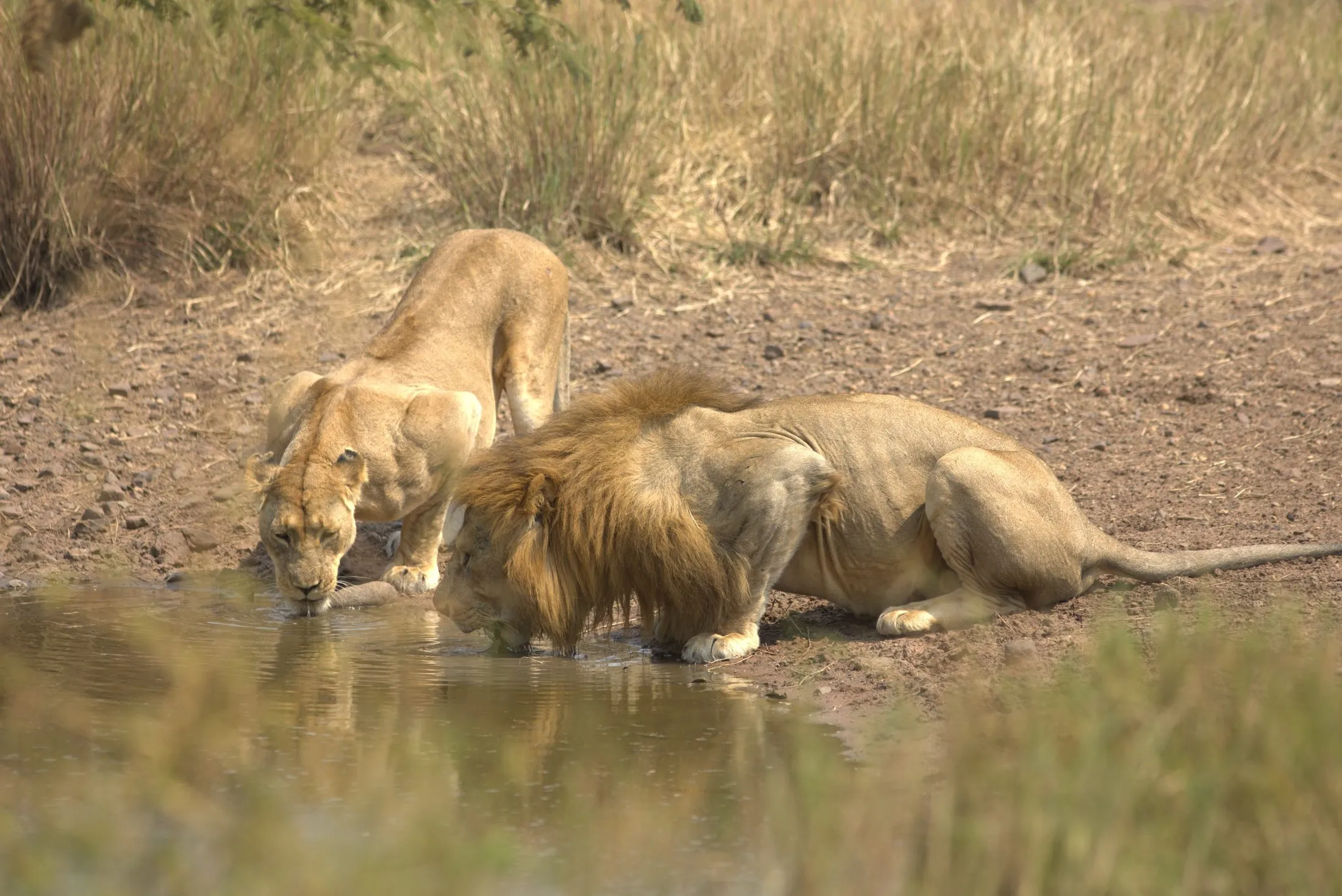
You are in the park as the gates open, when predators are still active and the light is gold. Your guide reads tracks, alarm calls and other vehicles' radios.
- 09:00
Bush breakfast
A packed breakfast under an acacia, or back at camp. Full-day drives carry breakfast and lunch boxes so you never have to cut a sighting short.
- 12:30
Midday
On shorter days you return to the lodge for lunch, a swim and a rest through the hottest hours. On full days you keep going, following the animals to shade and water.
- 16:00
Afternoon drive
Out again as the heat drops and the light softens. This is often when cats get up to hunt.
- 18:30
Sundowner & camp
Back before the park closes at dusk. A drink watching the sun go down, dinner under the stars, and the sounds of the bush at night.
Strona praktyczna
Your vehicle
A private 4×4 Toyota Land Cruiser with a pop-up roof, a window seat for everyone, charging points and a cool box. You are never sharing with strangers.
Your guide
A qualified driver-guide who stays with you the whole trip — spotting, explaining, and in radio contact with other guides about sightings.
Roads
Park tracks are rough and dusty; the drive between parks is long. It is part of the experience, but pack light layers and something for the dust.
Connectivity
Patchy. Most lodges have Wi-Fi in the main area; in the parks you are largely offline. Tell people at home before you go quiet.
Kiedy jechać
Kiedy jechać
Najlepsze obserwacje zwierząt, sucho i chłodno. Rezerwuj z wyprzedzeniem; ceny najwyższe.
Mniej samochodów, przyzwoite obserwacje, zmienna pogoda. Dobra wartość.
Bujno i spokojnie, młode zwierzęta i ptaki, część obozów zamknięta. Najniższe ceny, sporadyczne ulewy.
Dojazdy
Czasy przejazdów — trasa północna
Orientacyjne czasy jazdy samochodem safari. Na mapie blisko, ale drogi są wolne — przelot między odległymi parkami to opcja warta wyceny.
| Trasa | Samochodem | Odległość |
|---|---|---|
| Kilimanjaro Airport (JRO) → Arusha | 1 hr | 50 km |
| Arusha → Tarangire National Park | 2 hr | 120 km |
| Arusha → Lake Manyara | 2 hr | 125 km |
| Arusha → Ngorongoro Crater rim | 3.5 hr | 180 km |
| Ngorongoro → Central Serengeti (Seronera) | 3 hr | 145 km |
| Arusha → Central Serengeti (Seronera) | 7–8 hr | 325 km |
| Arusha → Moshi (for Kilimanjaro climbs) | 1.5 hr | 80 km |
Wielka Migracja
Migracja miesiąc po miesiącu
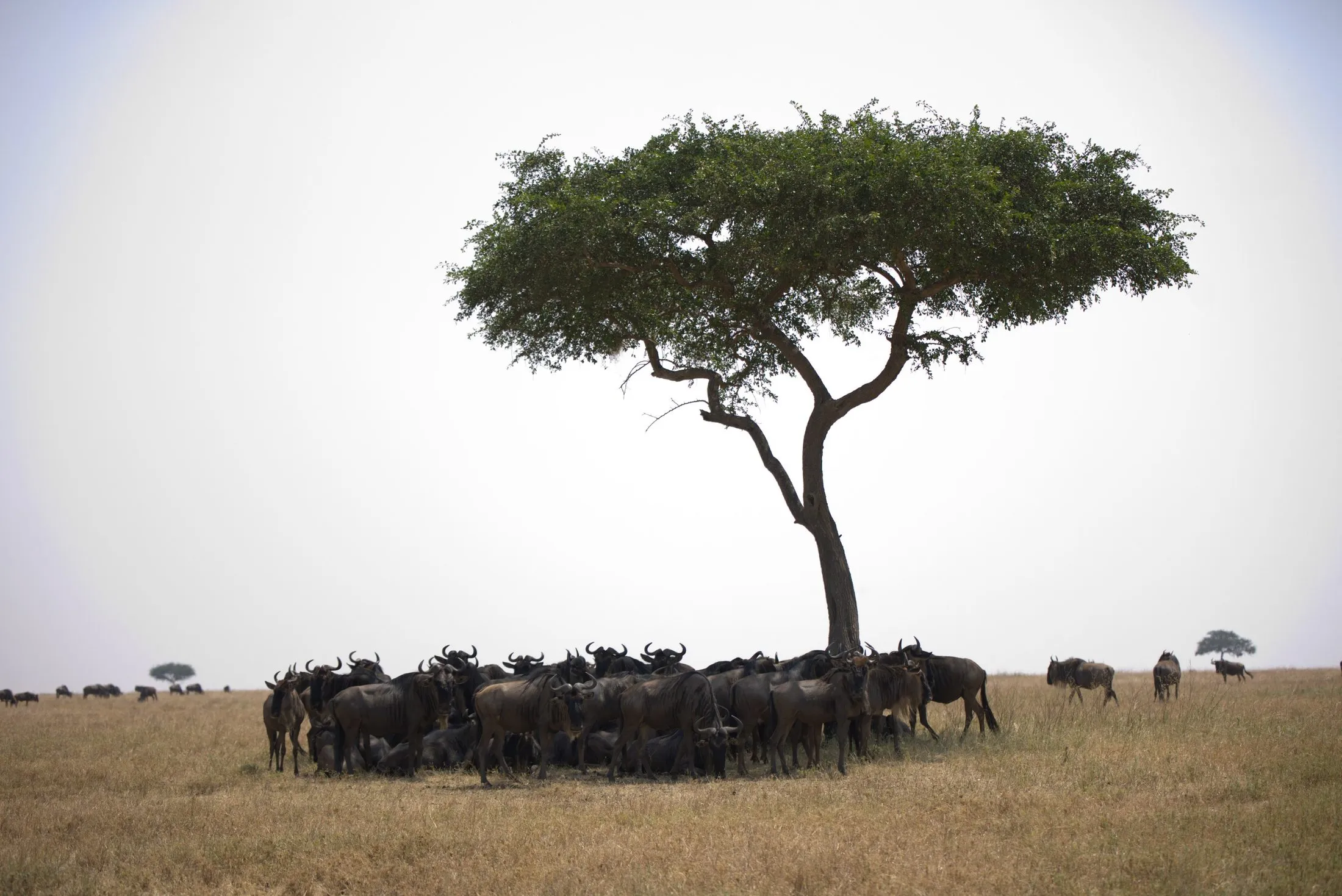
Stada co roku przemieszczają się w przybliżeniu zgodnie z ruchem wskazówek zegara przez ekosystem Serengeti. Terminy zależą od deszczy, ale to jest schemat, wokół którego się planuje.
| Kiedy | Gdzie są stada | Co się dzieje |
|---|---|---|
| Dec – Mar | Southern Serengeti & Ndutu plains | Herds spread across short-grass plains; calving peaks late Jan–Feb — ~400,000 calves in a few weeks, drawing big cats. |
| Apr – May | Central & western Serengeti | Herds move north-west with the long rains; columns form. Green, quiet, low season. |
| Jun – Jul | Western corridor & Grumeti River | First major river crossings at the Grumeti; rutting season. Herds build towards the north. |
| Aug – Sep | Northern Serengeti & Mara River | The dramatic Mara River crossings — the classic migration image. Best months for the spectacle. |
| Oct – Nov | Northern Serengeti returning south | Herds drift back south with the short rains, through the eastern Serengeti towards Ndutu. |
Zacznij
Zaplanuj wyjazd, który obejmuje to miejsce
Podaj daty, liczbę osób i to, co chciałbyś zobaczyć. Wyślemy plan szyty na miarę — za darmo i bez zobowiązań.