
All destinations
Lake Manyara National Park
Lake Manyara National Park is a compact gem nestled along the Great Rift Valley escarpment. Renowned for its tree-climbing lions and pink-hued flamingos, the park also offers diverse ecosystems, including groundwater…
Overview
Lake Manyara National Park is a compact gem nestled along the Great Rift Valley escarpment. Renowned for its tree-climbing lions and pink-hued flamingos, the park also offers diverse ecosystems, including groundwater forests, open plains, and hot springs. Visitors can enjoy birdwatching, guided walks, and canoeing on the lake. Its small size makes it ideal for a day visit or as part of a larger northern circuit itinerary.
When to visit
The dry season from June to October is best for mammals, when animals concentrate in the narrow strip of park between the escarpment and the lake. The wet season from November to June brings large numbers of migratory birds and, in good years, big flocks of flamingos on the soda lake. Water levels vary a lot from year to year and strongly affect how much of the lakeshore is accessible.
Getting there
The gate is roughly a two-hour drive from Arusha, at the foot of the Rift Valley wall near Mto wa Mbu. It sits directly on the route to Ngorongoro and the Serengeti, so it is easily added as a half-day stop on the way through.
What you'll see
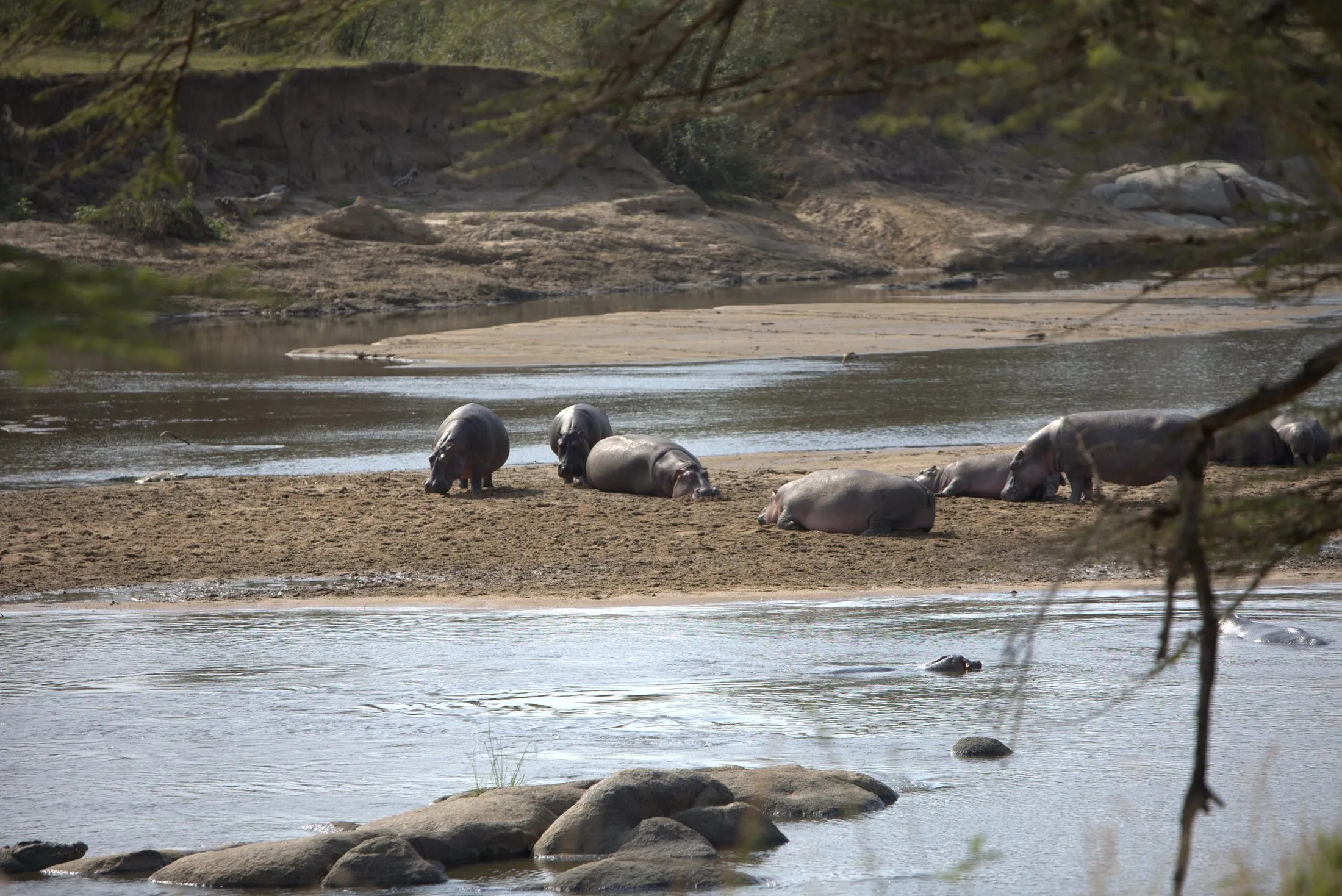
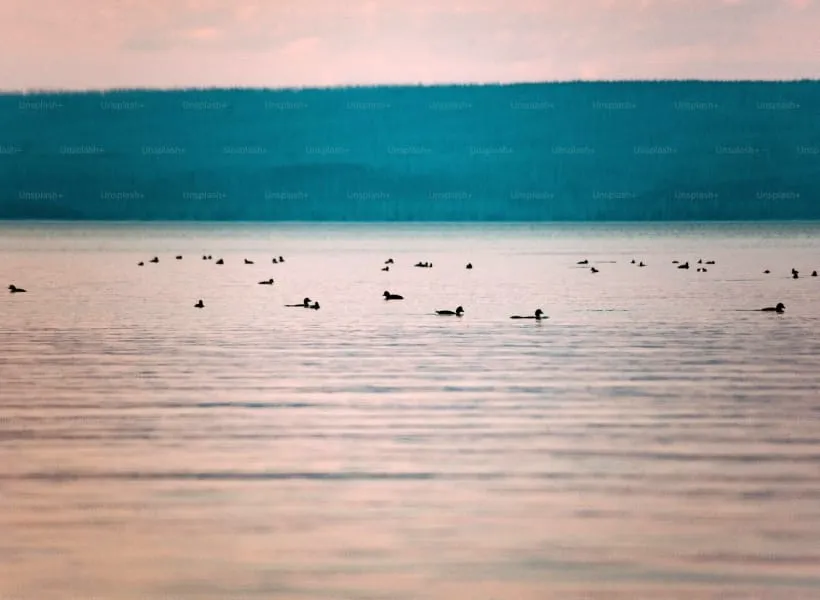
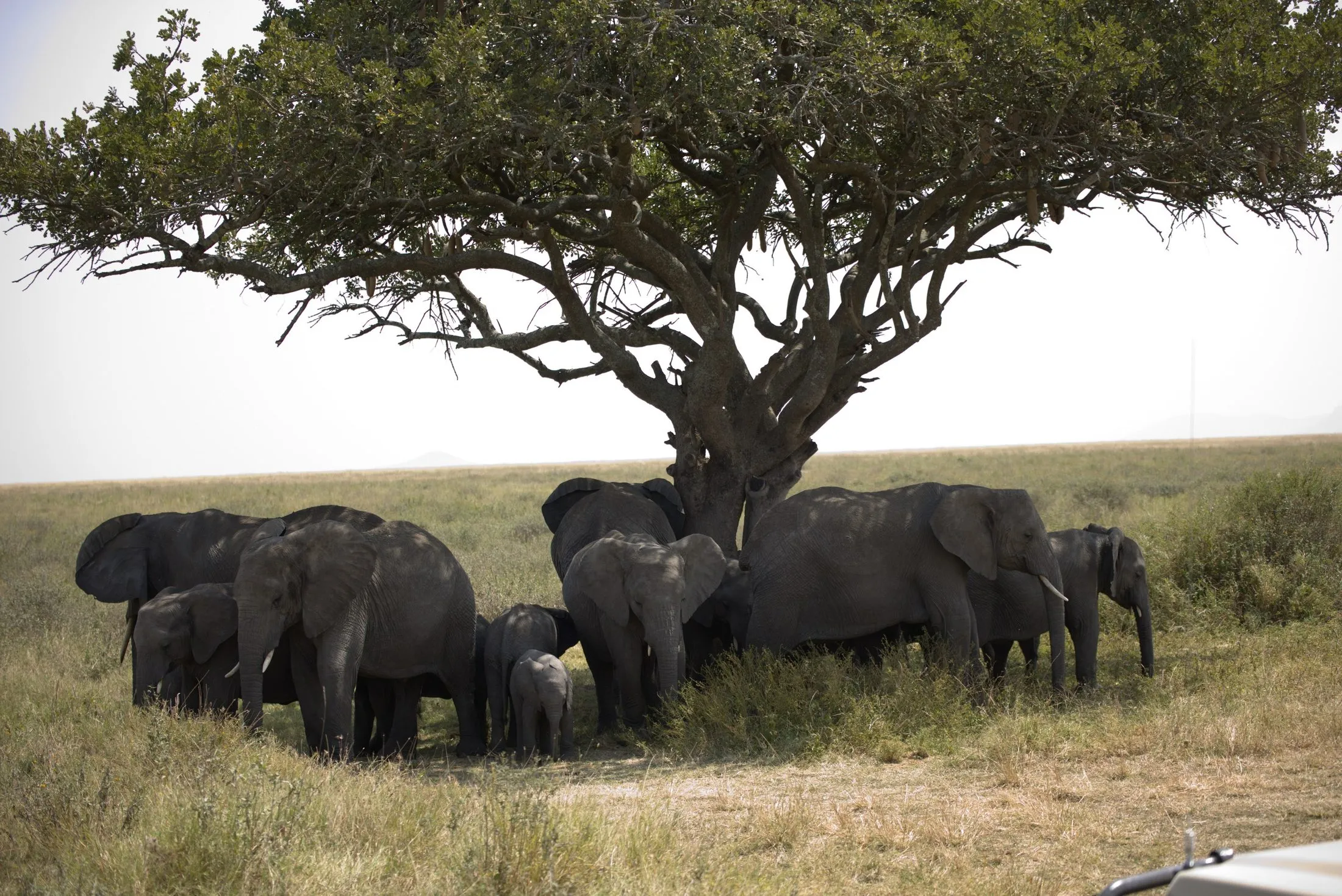
A lush groundwater forest near the entrance shelters large troops of baboons and blue monkeys, opening onto floodplain grassland with elephant, buffalo, giraffe, zebra and hippo. Lions here are sometimes seen resting in the acacia trees. The lake itself is about two-thirds of the park's area and draws pelicans, storks, herons and flamingos.
Good to know
- Half a day to a full day is plenty; many itineraries pair it with a cultural walk at Mto wa Mbu.
- Manyara is one of the few northern parks that permit night game drives and guided walking, in designated areas.
- A treetop canopy walkway near the entrance gives a forest-level view.
- Canoeing is possible only when the lake is high enough.
From the parks
Getting around
Driving times on the northern circuit
Approximate road times in a safari vehicle. Distances are short on the map but roads are slow — flying between the far parks is an option worth pricing.
| Route | By road | Distance |
|---|---|---|
| Kilimanjaro Airport (JRO) → Arusha | 1 hr | 50 km |
| Arusha → Tarangire National Park | 2 hr | 120 km |
| Arusha → Lake Manyara | 2 hr | 125 km |
| Arusha → Ngorongoro Crater rim | 3.5 hr | 180 km |
| Ngorongoro → Central Serengeti (Seronera) | 3 hr | 145 km |
| Arusha → Central Serengeti (Seronera) | 7–8 hr | 325 km |
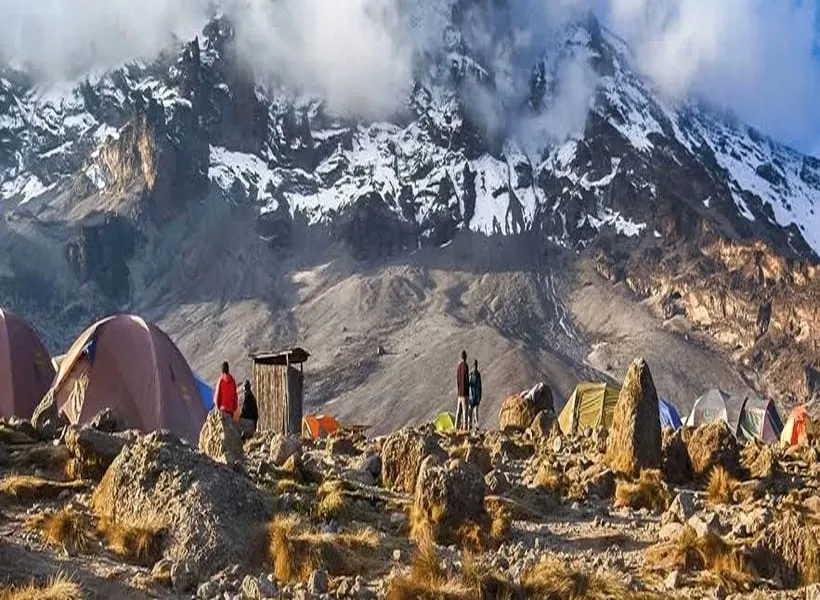
| Arusha → Moshi (for Kilimanjaro climbs) | 1.5 hr | 80 km |
Common questions
Common questions
How many days do I need here?
It depends on the park — the quick-facts box on this page gives a realistic minimum. Most travellers combine two or three parks into one northern-circuit trip of 5–9 days.
Can I visit this park on a day trip?
Some parks near Arusha (Tarangire, Lake Manyara, Arusha NP) work as day trips. The Serengeti and Ngorongoro are better with at least one overnight inside or on the rim.
Do you arrange the park fees and permits?
Yes. Park entry fees, conservation fees and any concession fees are built into your quote and paid by us — you never queue at a gate.
What does a trip here cost?
Prices are per person and depend on season, accommodation standard and group size. Tell us your budget when you enquire and we'll build two or three options around it.
Where to Next
Trips that visit here
Get Started
Plan a trip that includes this
Tell us your dates, party size and what you'd love to see. We'll send a tailored itinerary — free, with no obligation.