
All destinations
Ngorongoro Conservation Area
The Ngorongoro Conservation Area, a UNESCO World Heritage Site, boasts the breathtaking Ngorongoro Crater, the world’s largest inactive volcanic caldera.
Overview
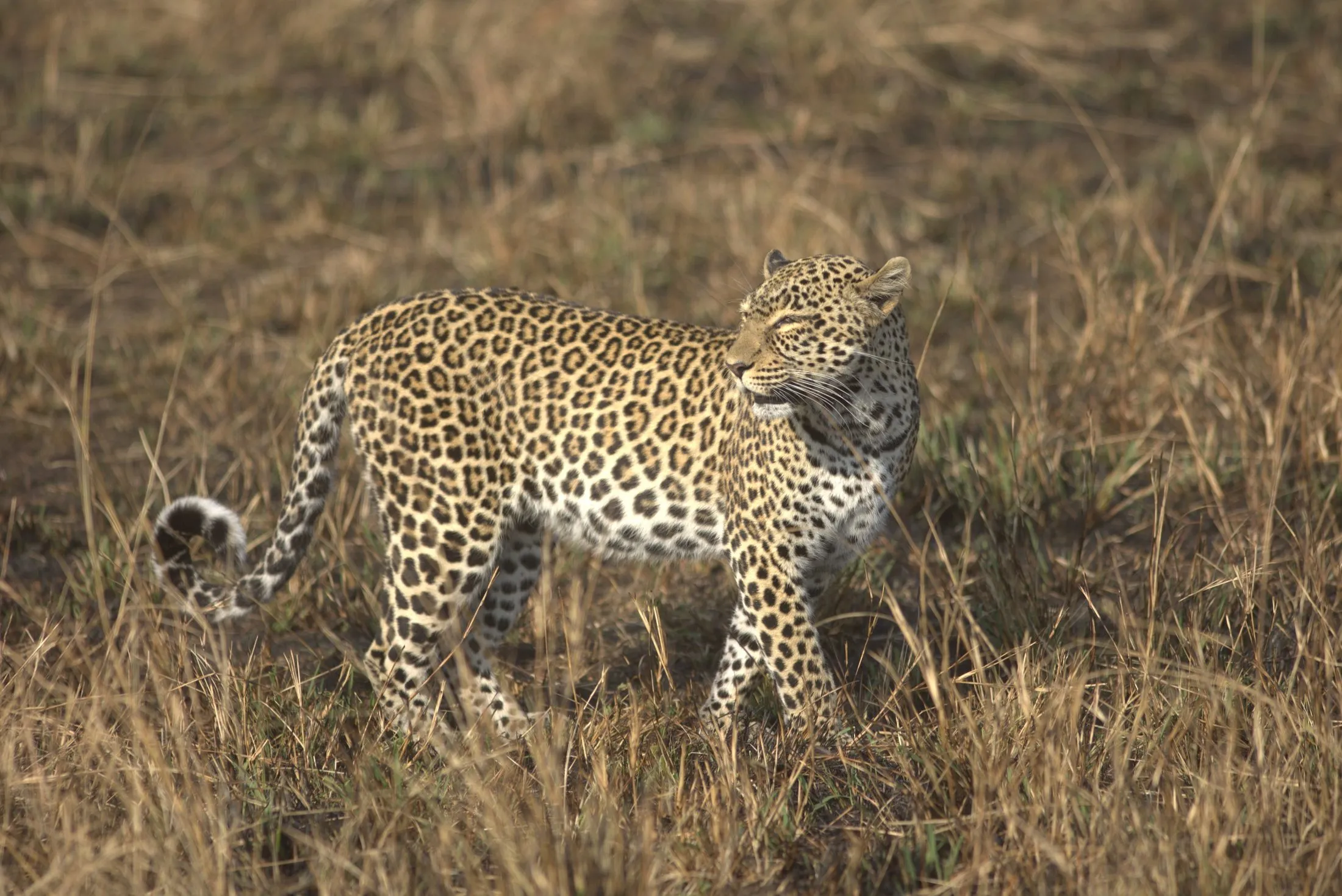
The Ngorongoro Conservation Area, a UNESCO World Heritage Site, boasts the breathtaking Ngorongoro Crater, the world’s largest inactive volcanic caldera. This natural amphitheater is teeming with wildlife, including black rhinos, lions, and thousands of grazing animals. Beyond the crater, the conservation area features cultural interactions with the Maasai, lush highland forests, and archaeological sites such as Olduvai Gorge. The harmony between wildlife and Maasai pastoralists makes Ngorongoro an unparalleled blend of nature and culture.
When to visit
The crater holds water and grazing all year, so wildlife is resident rather than seasonal and game viewing is reliable in any month. June to October is the driest and most comfortable, with clear mornings; the green season from November to May is quieter and the crater rim is often wrapped in mist. Early morning is the best time to descend, before the day's vehicles arrive.
Getting there
The rim is about a three-to-four-hour drive from Arusha, usually reached after a stop at Lake Manyara or Tarangire. Ngorongoro also sits on the road into the Serengeti, so most safaris visit the crater on the way in or on the way back out.
What you'll see
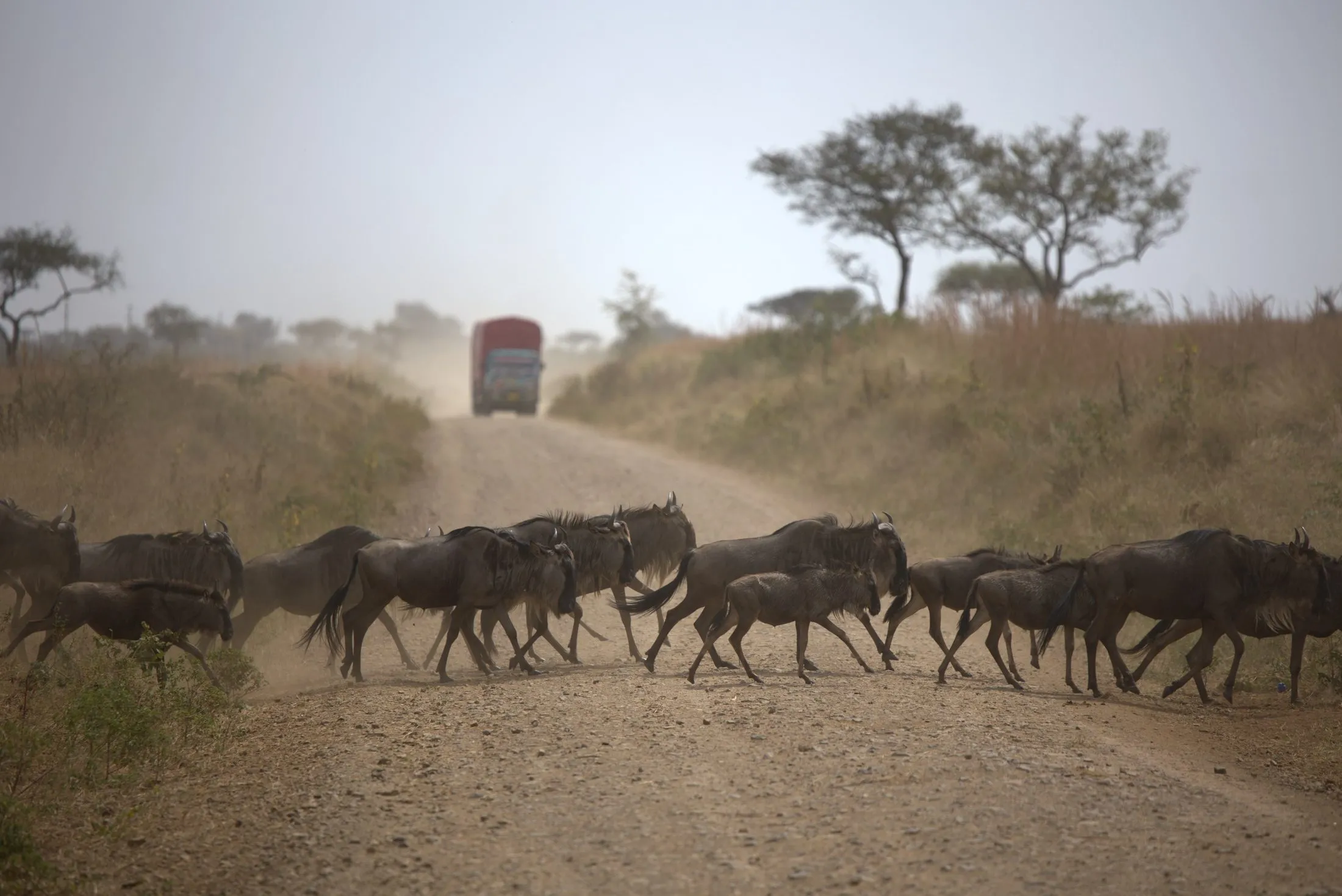
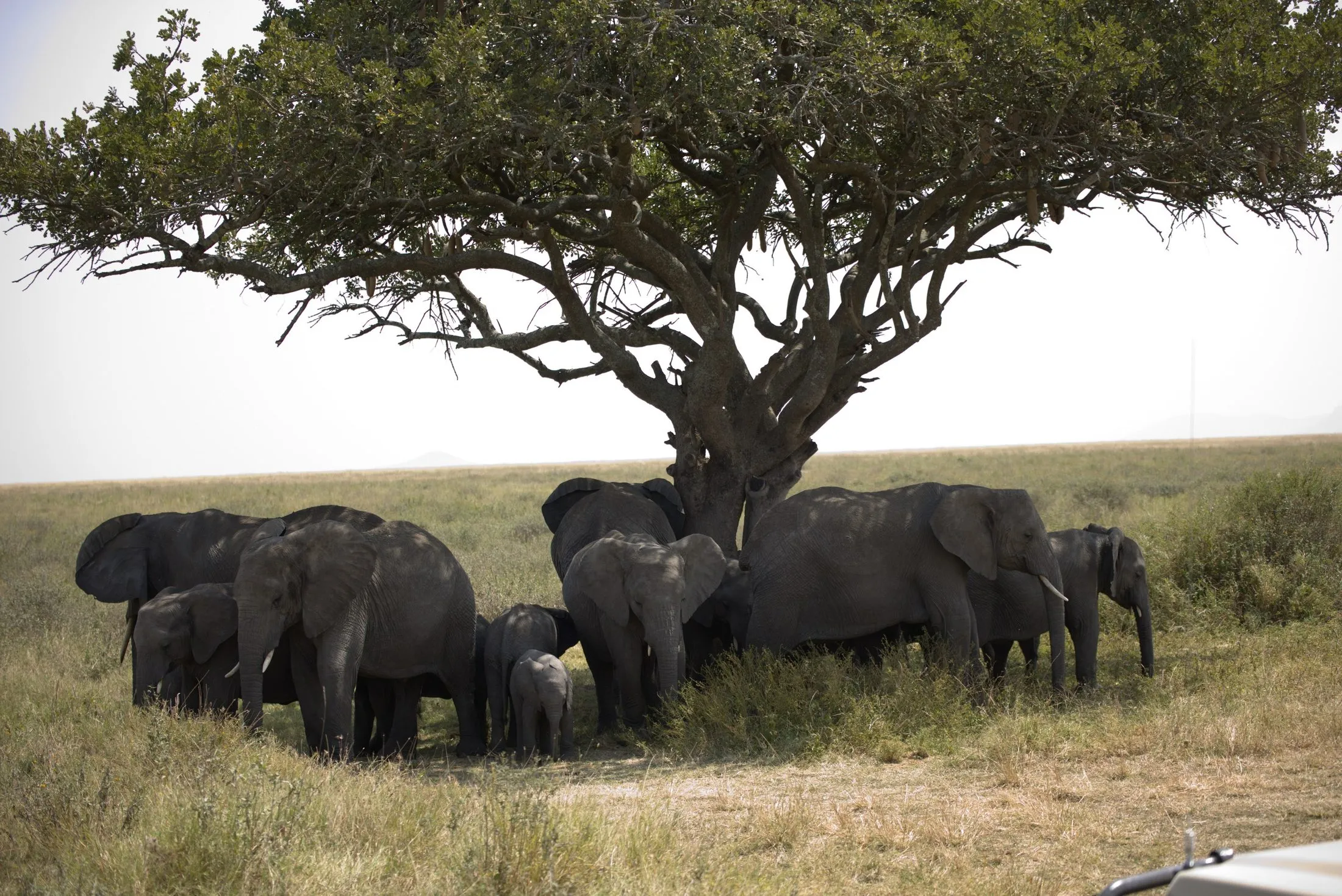
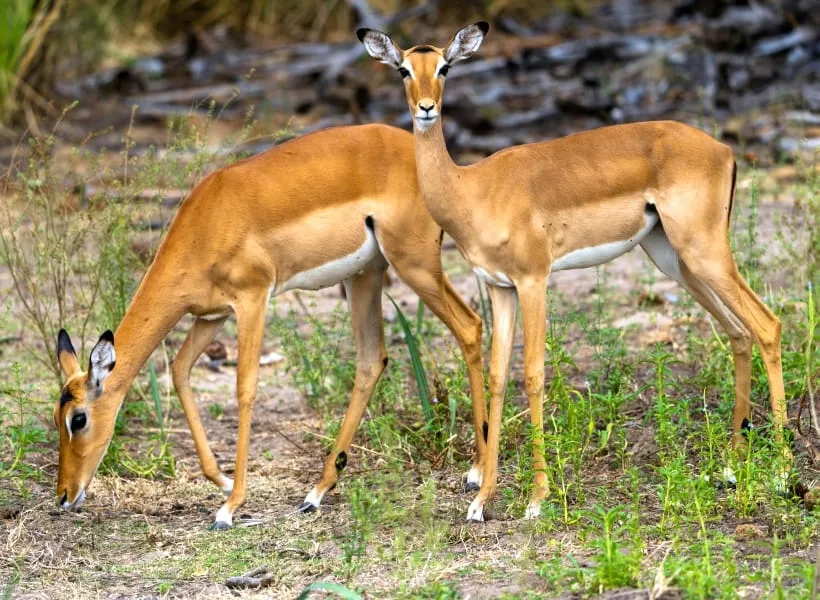
The crater floor covers around 260 square kilometres and around 600 metres below the rim. It is one of the best places in Tanzania to see black rhino, and it is quite possible to see all of the Big Five in a single day, along with dense concentrations of lion, hyena, wildebeest, zebra and flamingo on the soda lake. The wider Conservation Area is shared with Maasai herders and also contains Olduvai Gorge, one of the most important early-human fossil sites in the world.
Good to know
- One day on the crater floor is the standard visit; a half-day descent is also common.
- Vehicles must leave the crater floor by late afternoon — plan an early start.
- The rim is high and cold, around 2,200–2,400 m; bring a warm layer for game drives.
- Guided walks, Maasai village visits and the Empakaai and Olmoti craters are options in the highlands.
From the parks
Getting around
Driving times on the northern circuit
Approximate road times in a safari vehicle. Distances are short on the map but roads are slow — flying between the far parks is an option worth pricing.
| Route | By road | Distance |
|---|---|---|
| Kilimanjaro Airport (JRO) → Arusha | 1 hr | 50 km |
| Arusha → Tarangire National Park | 2 hr | 120 km |
| Arusha → Lake Manyara | 2 hr | 125 km |
| Arusha → Ngorongoro Crater rim | 3.5 hr | 180 km |
| Ngorongoro → Central Serengeti (Seronera) | 3 hr | 145 km |
| Arusha → Central Serengeti (Seronera) | 7–8 hr | 325 km |
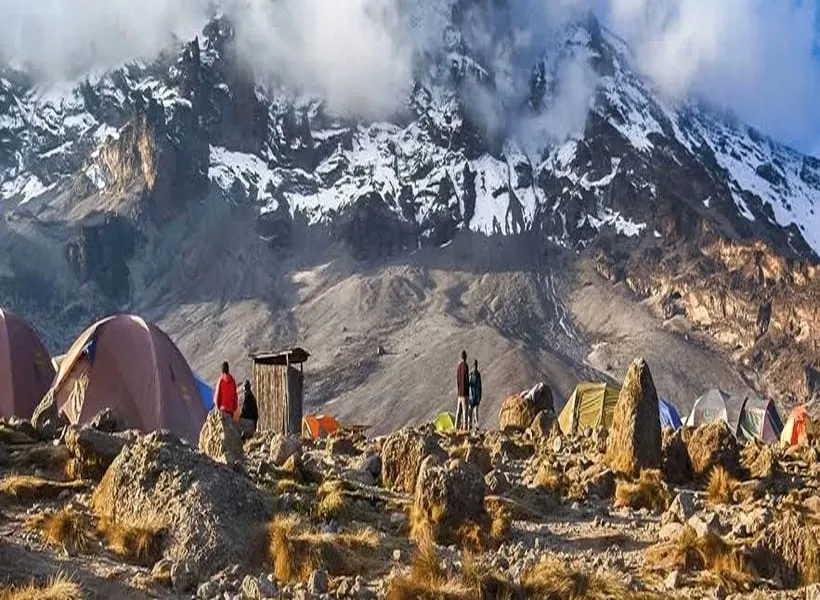
| Arusha → Moshi (for Kilimanjaro climbs) | 1.5 hr | 80 km |
Common questions
Common questions
How many days do I need here?
It depends on the park — the quick-facts box on this page gives a realistic minimum. Most travellers combine two or three parks into one northern-circuit trip of 5–9 days.
Can I visit this park on a day trip?
Some parks near Arusha (Tarangire, Lake Manyara, Arusha NP) work as day trips. The Serengeti and Ngorongoro are better with at least one overnight inside or on the rim.
Do you arrange the park fees and permits?
Yes. Park entry fees, conservation fees and any concession fees are built into your quote and paid by us — you never queue at a gate.
What does a trip here cost?
Prices are per person and depend on season, accommodation standard and group size. Tell us your budget when you enquire and we'll build two or three options around it.

Get Started
Plan a trip that includes this
Tell us your dates, party size and what you'd love to see. We'll send a tailored itinerary — free, with no obligation.