
All destinations
Tarangire National Park
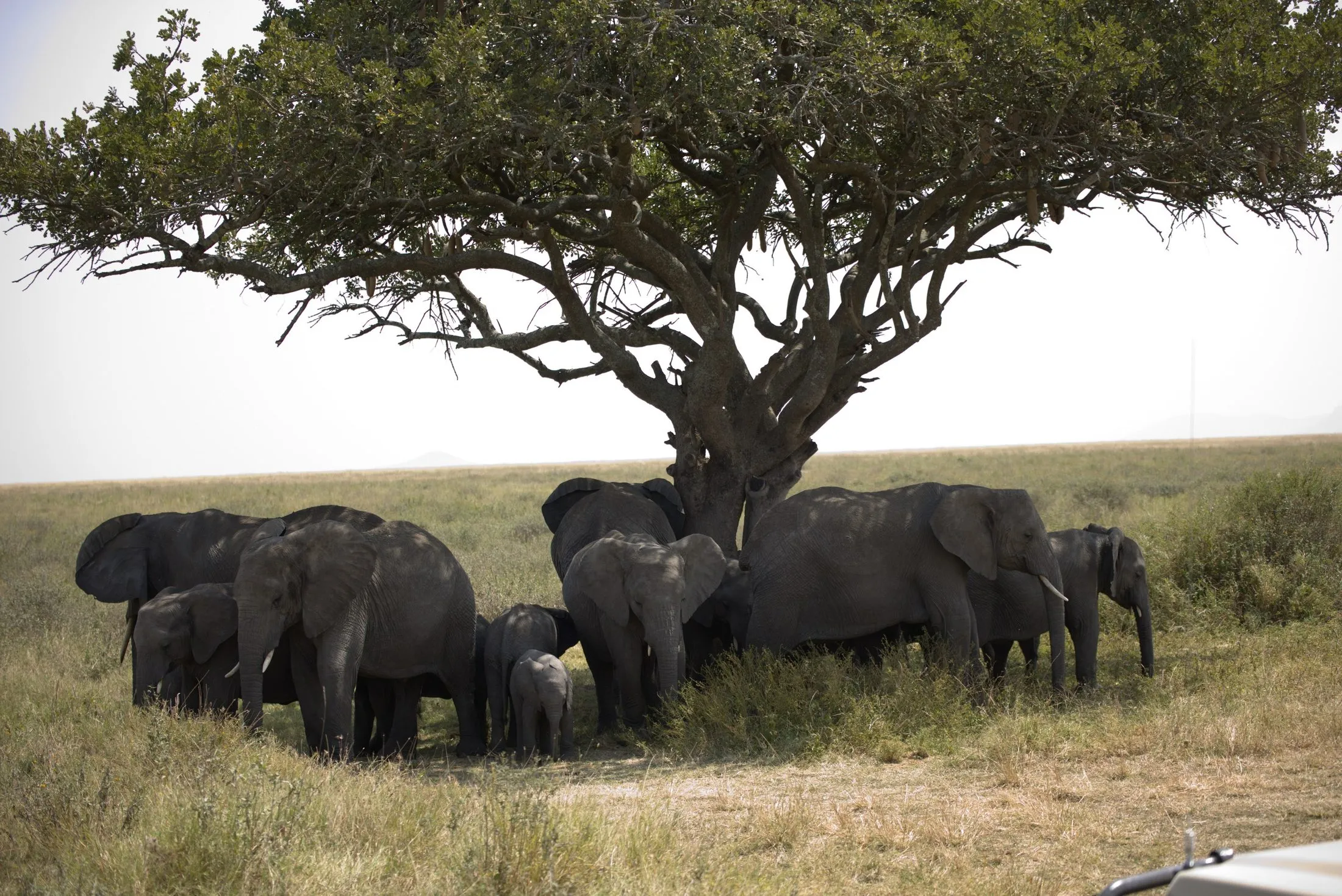
Tarangire National Park is famous for its vast elephant herds and iconic baobab trees. The park is a wildlife haven during the dry season, as animals gather around the Tarangire River.
Overview
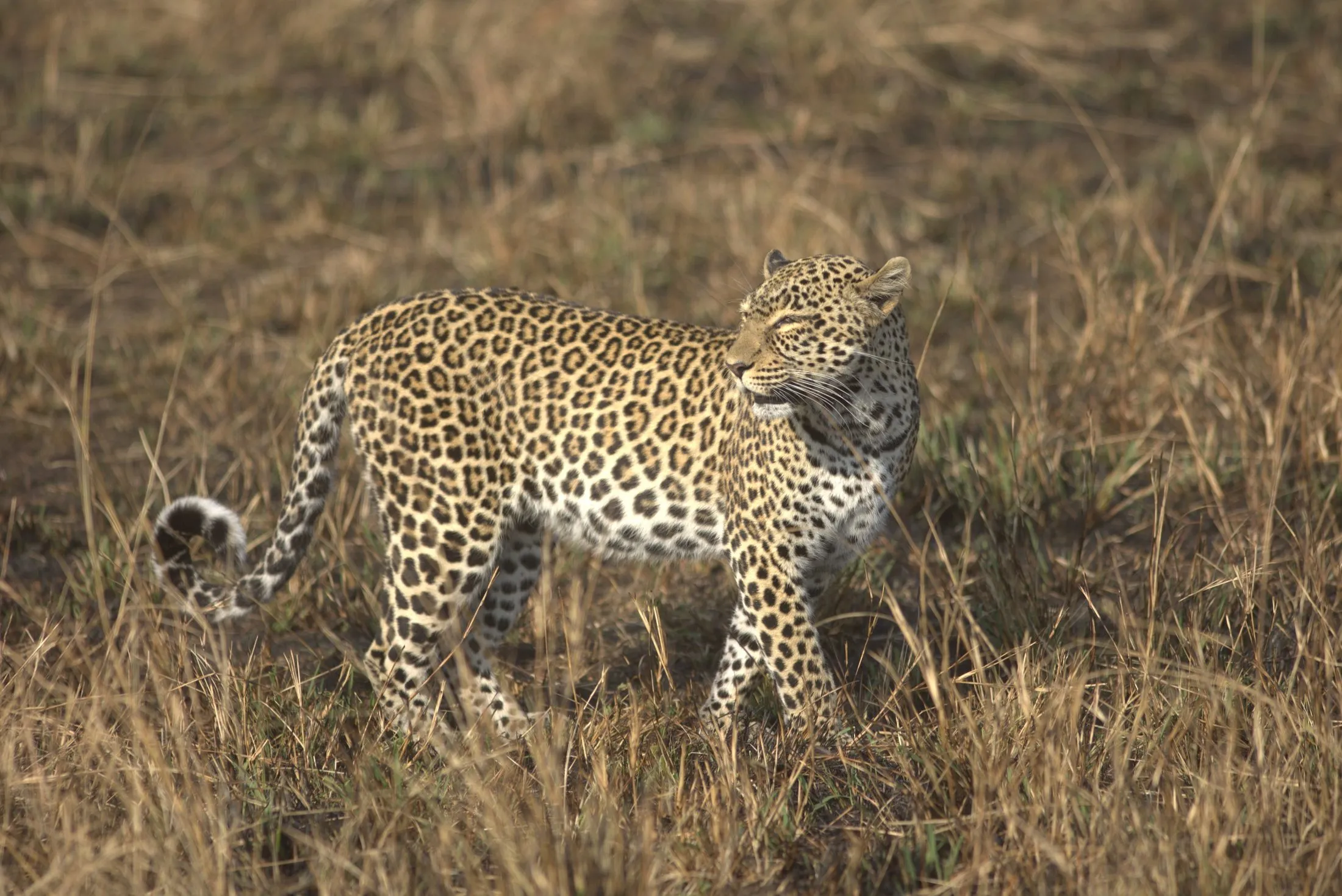
Tarangire National Park is famous for its vast elephant herds and iconic baobab trees. The park is a wildlife haven during the dry season, as animals gather around the Tarangire River. Visitors can spot zebras, wildebeests, and predators like lions and leopards. Tarangire also offers a unique cultural experience with nearby Maasai villages and walking safaris to explore its rugged beauty up close.
When to visit
Tarangire is at its best from June to October. As the surrounding land dries out, animals converge on the permanent water of the Tarangire River, and the park holds some of the highest concentrations of elephant anywhere in Tanzania. During the November-to-May green season the herds disperse across a much wider area, wildlife is harder to find, but birdlife is exceptional and the landscape is lush.
Getting there
The main gate is about a two-hour drive from Arusha on a good tarmac road, which makes Tarangire the usual first stop on a Northern Circuit safari before continuing to Lake Manyara, Ngorongoro and the Serengeti. There is also an airstrip for fly-in visitors.
What you'll see
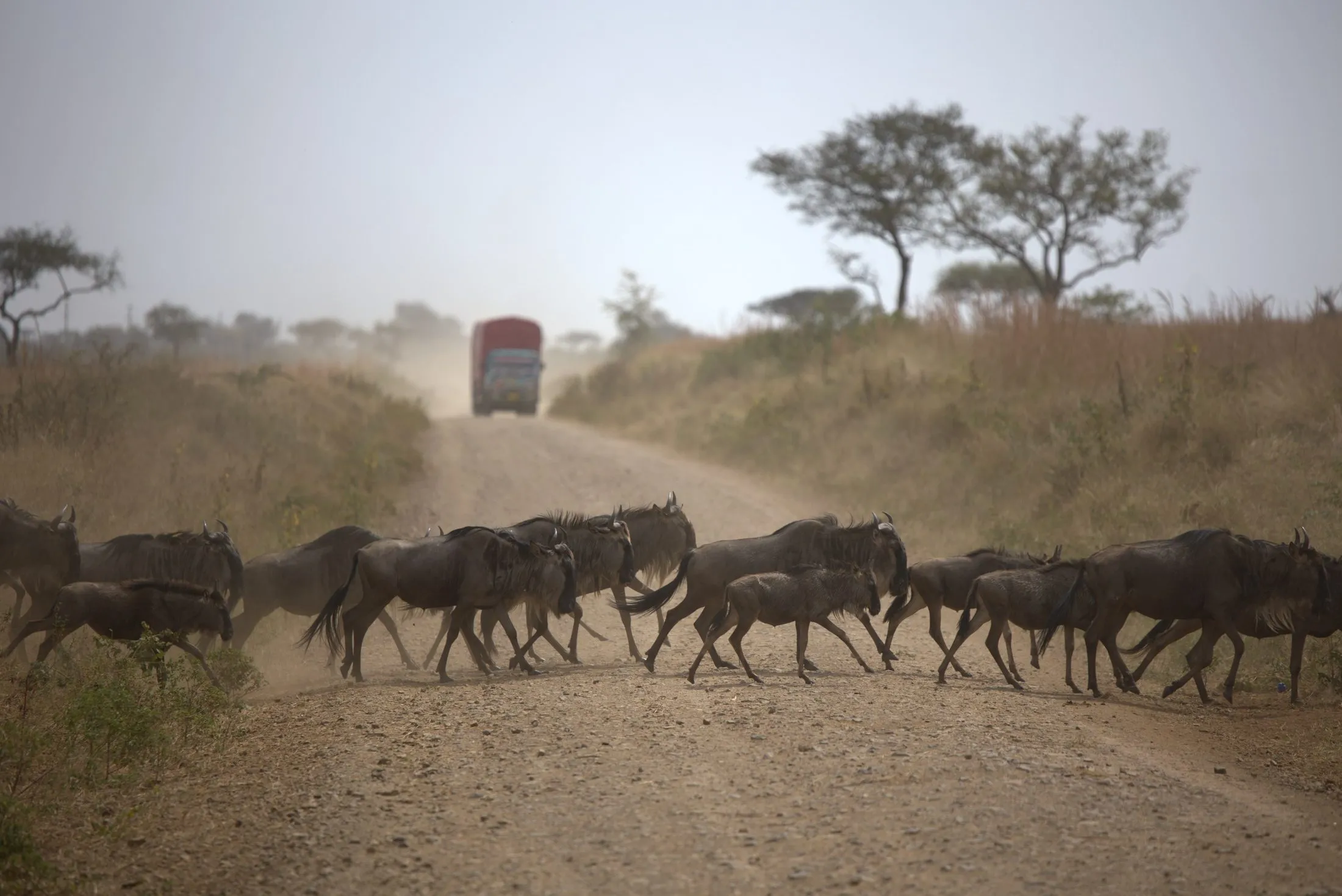
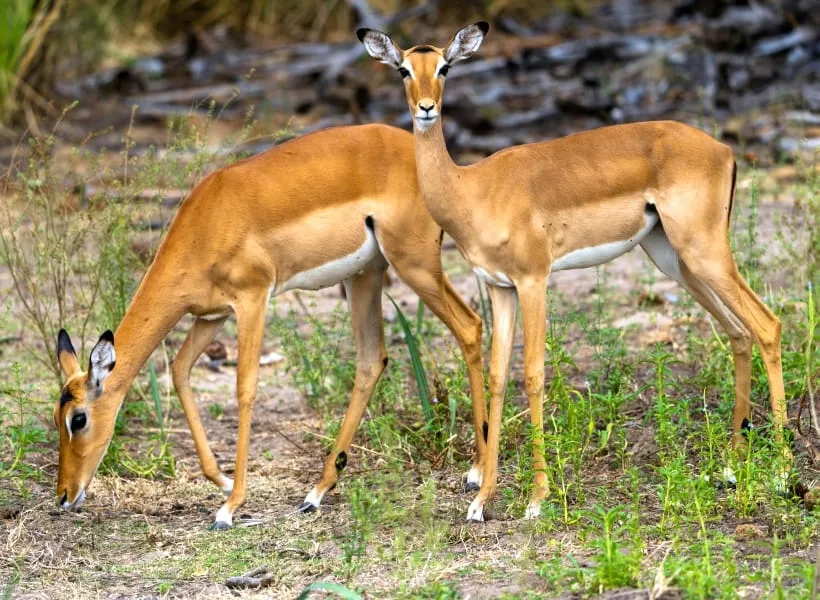
Alongside the elephants, expect zebra, wildebeest, giraffe, buffalo, impala and eland, with lion and leopard hunting along the river and the Silale swamp. Tarangire is a birding stronghold, with well over 500 recorded species, and its ancient baobabs and rolling, grassy hills give it a distinct character from the open plains further north.
Good to know
- One or two days is usually enough, often as a half-day drive plus an overnight.
- Walking safaris and night drives are offered in some of the private areas bordering the park.
- The dry season is strongly recommended — wet-season game viewing here is unpredictable.
- Maasai and Barabaig village visits can be arranged nearby.
From the parks
Getting around
Driving times on the northern circuit
Approximate road times in a safari vehicle. Distances are short on the map but roads are slow — flying between the far parks is an option worth pricing.
| Route | By road | Distance |
|---|---|---|
| Kilimanjaro Airport (JRO) → Arusha | 1 hr | 50 km |
| Arusha → Tarangire National Park | 2 hr | 120 km |
| Arusha → Lake Manyara | 2 hr | 125 km |
| Arusha → Ngorongoro Crater rim | 3.5 hr | 180 km |
| Ngorongoro → Central Serengeti (Seronera) | 3 hr | 145 km |
| Arusha → Central Serengeti (Seronera) | 7–8 hr | 325 km |
| Arusha → Moshi (for Kilimanjaro climbs) | 1.5 hr | 80 km |
Common questions
Common questions
How many days do I need here?
It depends on the park — the quick-facts box on this page gives a realistic minimum. Most travellers combine two or three parks into one northern-circuit trip of 5–9 days.
Can I visit this park on a day trip?
Some parks near Arusha (Tarangire, Lake Manyara, Arusha NP) work as day trips. The Serengeti and Ngorongoro are better with at least one overnight inside or on the rim.
Do you arrange the park fees and permits?
Yes. Park entry fees, conservation fees and any concession fees are built into your quote and paid by us — you never queue at a gate.
What does a trip here cost?
Prices are per person and depend on season, accommodation standard and group size. Tell us your budget when you enquire and we'll build two or three options around it.
Where to Next
Trips that visit here

Get Started
Plan a trip that includes this
Tell us your dates, party size and what you'd love to see. We'll send a tailored itinerary — free, with no obligation.