
All destinations
Serengeti National Park
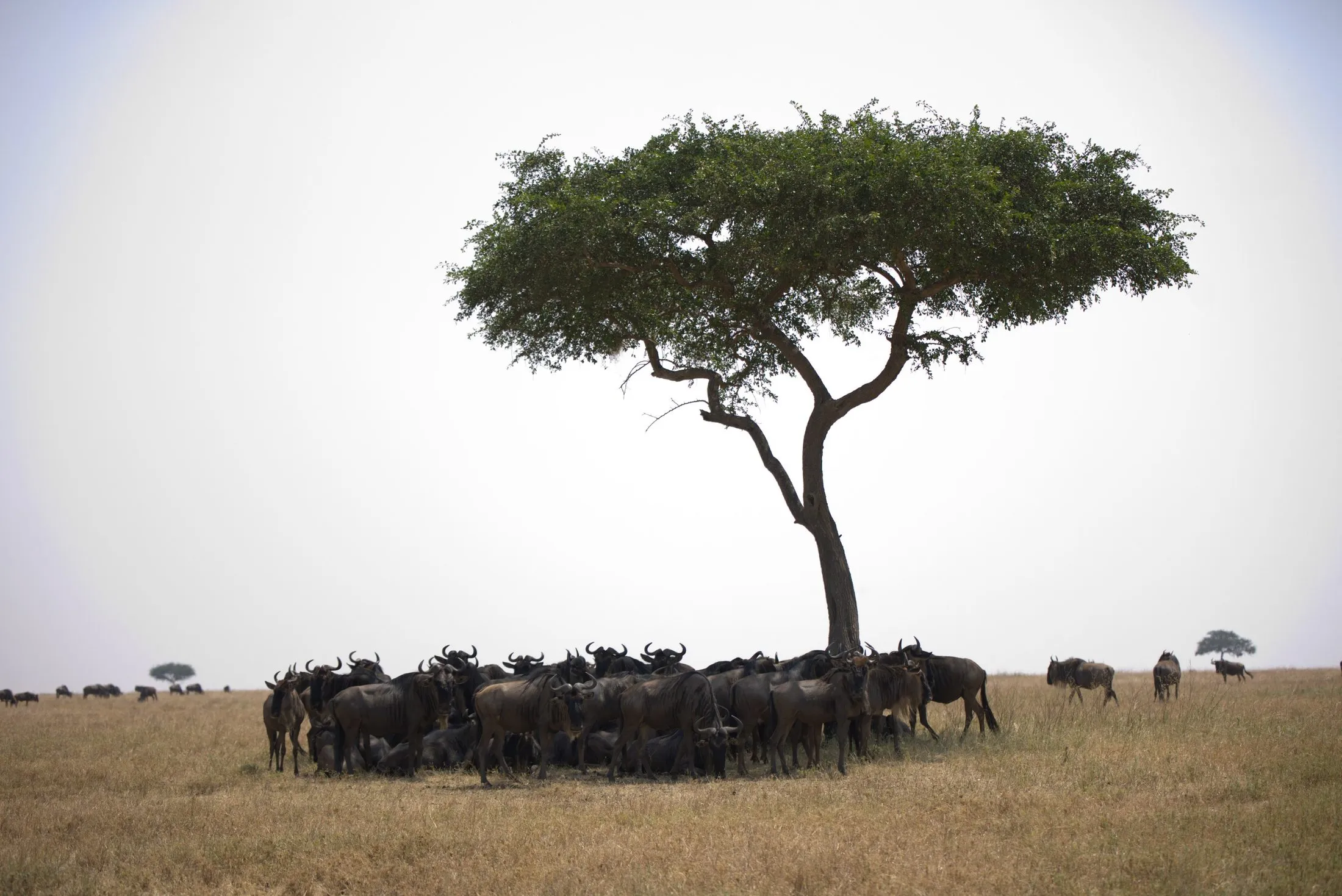
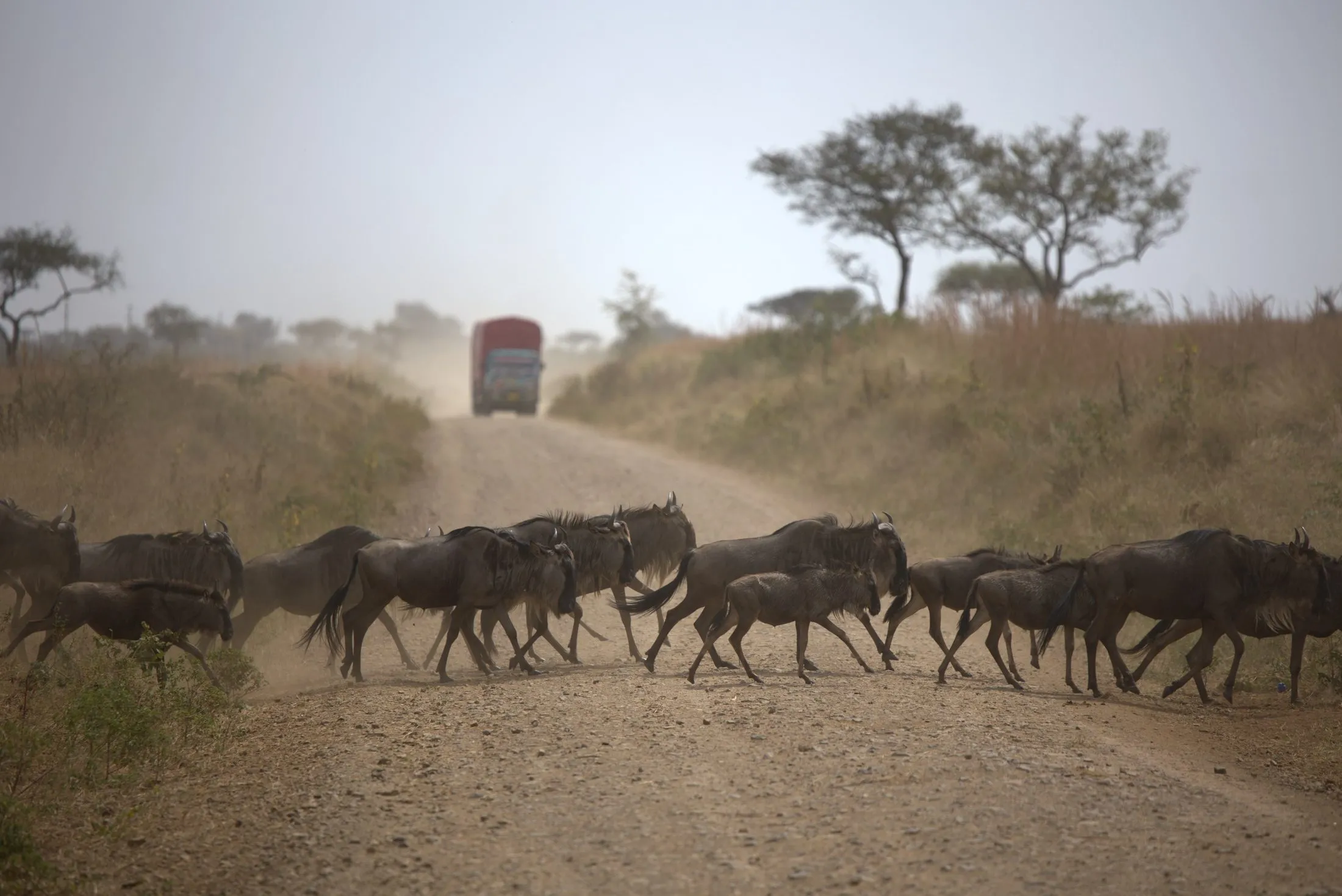
Serengeti National Park is one of Tanzania's most renowned destinations, celebrated globally for its annual wildebeest migration.
Overview
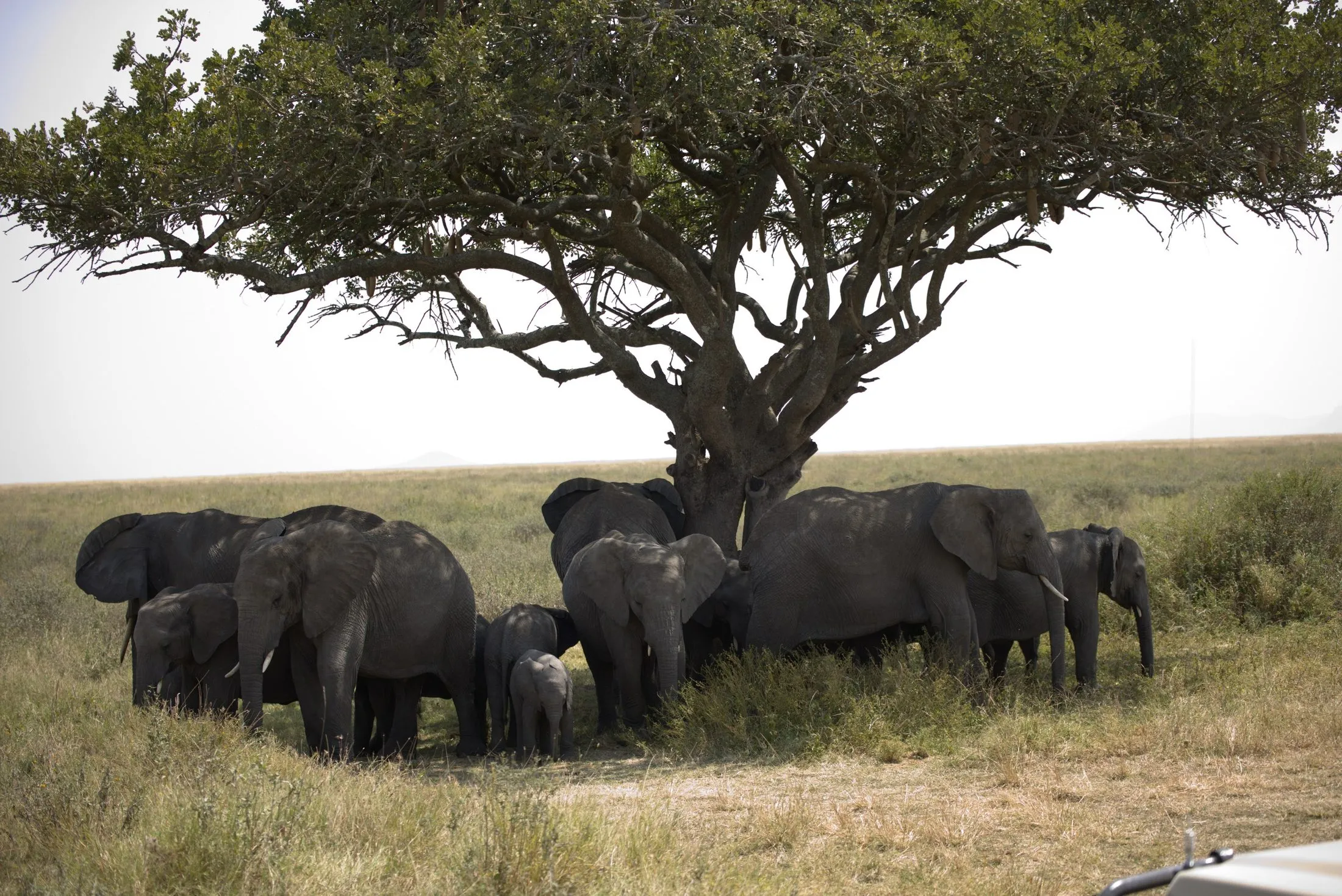
Serengeti National Park is one of Tanzania's most renowned destinations, celebrated globally for its annual wildebeest migration. Covering vast plains, rolling hills, and dramatic landscapes, the Serengeti is home to a diverse range of wildlife, including the Big Five. Visitors can witness predators such as lions, leopards, and cheetahs stalking prey in open grasslands, while elephants and giraffes roam the savannas. With luxury lodges and tented camps offering close proximity to wildlife, Serengeti provides both adventure and comfort. Its changing seasons bring unique experiences, from calving in the south to river crossings in the north.
When to visit
The Serengeti rewards a visit at any time of year, but the wildebeest migration moves through it in a broad, weather-driven loop. Roughly December to March the herds are on the southern short-grass plains around Ndutu, where around half a million calves are born in a few weeks in late January and February. Through April and May they drift north-west through the Western Corridor, and from around July to October the dramatic Mara and Grumeti river crossings take place in the north. November's short rains draw the herds south again. The dry months of late June to October give the easiest general game viewing across the park, while the green season is quieter, cheaper and excellent for predators and newborns.
Getting there
Most visitors combine the Serengeti with Tarangire and Ngorongoro on the Northern Circuit. By road it is a scenic full day from Arusha, entering via Ngorongoro and the Naabi Hill gate. Light aircraft fly daily from Arusha to airstrips across the park — Seronera for the central area, plus northern and southern strips — which is the quickest way to reach the migration wherever it happens to be.
What you'll see
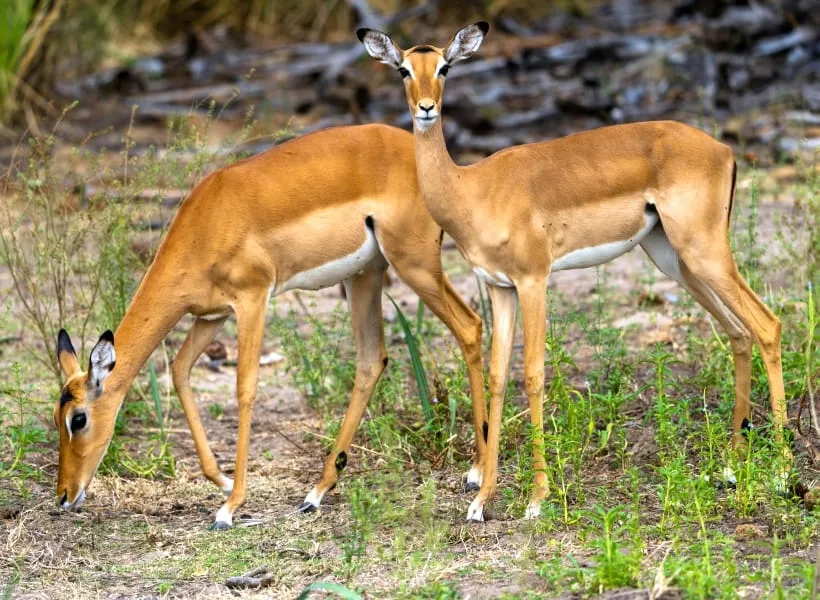
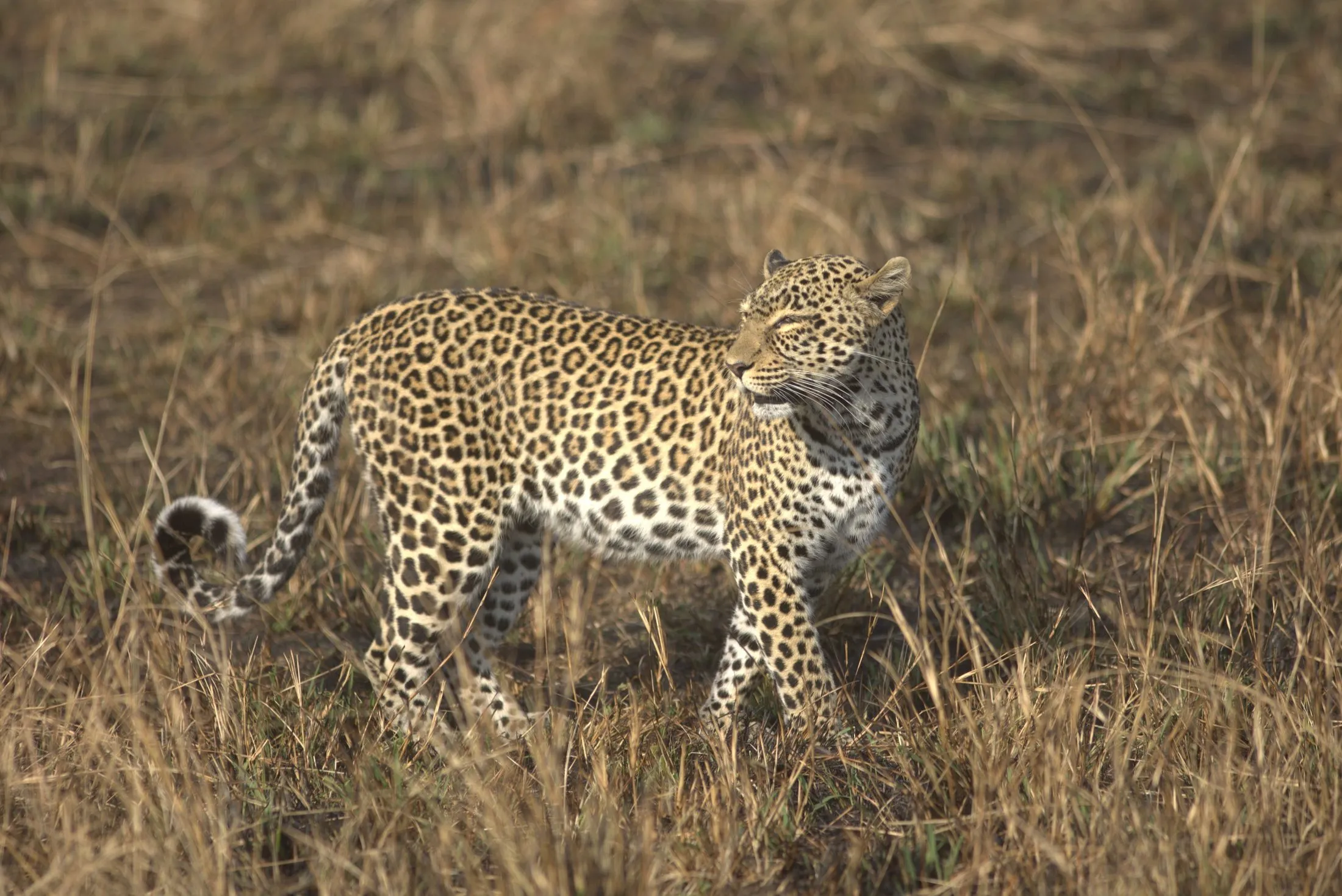
Central Seronera holds resident wildlife year-round, including strong lion prides, leopards along the river courses and cheetahs on the open plains. Elephant, giraffe, buffalo, hippo, and large numbers of plains game are widespread, and the park is a UNESCO World Heritage Site and Biosphere Reserve. Beyond the migration spectacle, the Serengeti's appeal is its sheer scale — grassland that runs unbroken to the horizon under enormous skies.
Good to know
- Plan three to four days here to move with the wildlife rather than chase it.
- Balloon safaris over the plains launch at dawn from the central and western areas.
- The north (Kogatende) is best for river crossings; the south (Ndutu) for calving season.
- It pairs naturally with Ngorongoro Crater, usually visited on the way in or out.
From the parks
The Great Migration
The migration, month by month
The herds move in a rough clockwise loop through the Serengeti ecosystem every year. Timing shifts with the rains, but this is the pattern to plan around.
| When | Where the herds are | What's happening |
|---|---|---|
| Dec – Mar | Southern Serengeti & Ndutu plains | Herds spread across short-grass plains; calving peaks late Jan–Feb — ~400,000 calves in a few weeks, drawing big cats. |
| Apr – May | Central & western Serengeti | Herds move north-west with the long rains; columns form. Green, quiet, low season. |
| Jun – Jul | Western corridor & Grumeti River | First major river crossings at the Grumeti; rutting season. Herds build towards the north. |
| Aug – Sep | Northern Serengeti & Mara River | The dramatic Mara River crossings — the classic migration image. Best months for the spectacle. |
| Oct – Nov | Northern Serengeti returning south | Herds drift back south with the short rains, through the eastern Serengeti towards Ndutu. |
Getting around
Driving times on the northern circuit
Approximate road times in a safari vehicle. Distances are short on the map but roads are slow — flying between the far parks is an option worth pricing.
| Route | By road | Distance |
|---|---|---|
| Kilimanjaro Airport (JRO) → Arusha | 1 hr | 50 km |
| Arusha → Tarangire National Park | 2 hr | 120 km |
| Arusha → Lake Manyara | 2 hr | 125 km |
| Arusha → Ngorongoro Crater rim | 3.5 hr | 180 km |
| Ngorongoro → Central Serengeti (Seronera) | 3 hr | 145 km |
| Arusha → Central Serengeti (Seronera) | 7–8 hr | 325 km |
| Arusha → Moshi (for Kilimanjaro climbs) | 1.5 hr | 80 km |
Common questions
Common questions
How many days do I need here?
It depends on the park — the quick-facts box on this page gives a realistic minimum. Most travellers combine two or three parks into one northern-circuit trip of 5–9 days.
Can I visit this park on a day trip?
Some parks near Arusha (Tarangire, Lake Manyara, Arusha NP) work as day trips. The Serengeti and Ngorongoro are better with at least one overnight inside or on the rim.
Do you arrange the park fees and permits?
Yes. Park entry fees, conservation fees and any concession fees are built into your quote and paid by us — you never queue at a gate.
What does a trip here cost?
Prices are per person and depend on season, accommodation standard and group size. Tell us your budget when you enquire and we'll build two or three options around it.

Get Started
Plan a trip that includes this
Tell us your dates, party size and what you'd love to see. We'll send a tailored itinerary — free, with no obligation.